



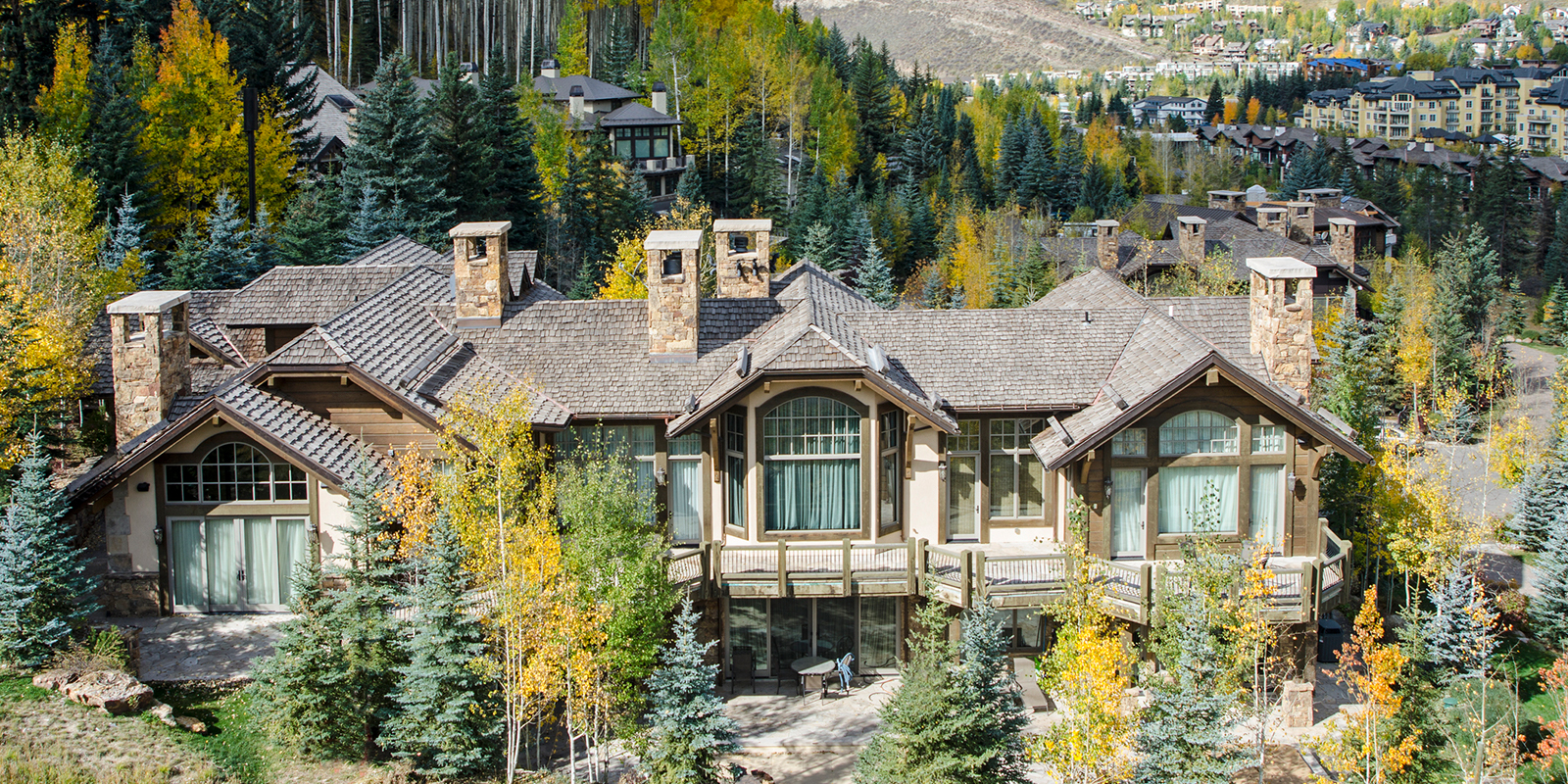

Aspen and Vail are spoken of in the same breath so often that people assume they are the same market with different zip codes. They are not. The two valleys sit a couple of hours apart, share a reputation for mountain luxury, and both host a meaningful off-market layer — but their price tiers, buyer profiles, days on market, and private-market character diverge in ways that change your strategy.
This is the comparison guide that supports the Complete Guide to Off-Market Properties in Aspen & Vail. For the neighborhood-level detail within each valley, see the Aspen & Vail Neighborhood Map. Here, we step back and compare the two markets head to head — because the right strategy in one is not automatically right for the other.
The Headline Difference
The simplest way to frame it: Aspen’s off-market market rewards patience and relationships at the very top, where trophy inventory regularly trades above $20 million. Vail’s offers more access points across a broader luxury range, roughly $2 million to $15 million and above.
Aspen is the deeper, scarcer, more relationship-driven market. Vail is the broader, more accessible, more lifestyle-driven one. Both have a robust private layer. They just behave differently.
Price Tiers
The price differential is the most visible distinction. Colorado Association of Realtors figures put Pitkin County’s (Aspen) single-family median around $5.5 million in May 2026, with trophy inventory regularly trading well above $20 million. Eagle County sits near a $2.125 million valley-wide median list price at roughly $1,260 per square foot — strong, but a different tier. Vail specifically saw a sharp single-month year-over-year price move in January 2026, with a median around $2.1 million.
For off-market specifically, this means Aspen’s private inventory skews toward the upper trophy tier — large compounds, generational estates, and vacant parcels that circulate through attorney and family-office networks. Vail’s private inventory spans a broader range, from ski-in/ski-out resort estates to view properties and private-club homes, with more entry points for a wider buyer set.
Days on Market
The two markets also move at different speeds — and the metrics differ, so read them carefully.
-
Aspen (Pitkin County): sold homes averaged about 228 days on market in May 2026 — the longest of any measured Colorado county.
-
Vail / Eagle County: active listings averaged about 158 days valley-wide.
These are different metrics (sold DOM versus active/listing DOM), so they aren’t directly equivalent — but both signal a slow-moving luxury market where time is expensive and private phases can extend timelines further. For sellers, that means carry costs matter more here than in a fast market. For buyers, it means patience can be a negotiating asset.
Off-Market Character
This is where the markets feel most different on the ground:
-
Aspen’s off-market, at the trophy tier, often operates through attorney, family-office, and trusted-advisor networks, frequently before any agent is formally involved. The audience is narrow, credentialed, and discreet by design.
-
Vail’s off-market is relationship-driven but more accessible. Inventory circulates through broker networks and office exclusives, with a broader qualified buyer pool. The private layer is real and active, but it’s a layer on top of a more conventional luxury market rather than the defining structure of the top tier.
Buyer Profile
-
Aspen buyers tend to be ultra-high-net-worth, often international or trophy-hunting, frequently represented through family offices or private counsel rather than walking into a brokerage.
-
Vail buyers are more often families, second-home owners, and lifestyle-led buyers — strong financials, but a broader and more domestic profile than Aspen’s trophy tier.
Inventory Pressure
Supply tells a story too. Colorado averaged about 4.3 months of supply in May 2026, with Pitkin County at roughly 10.5 months and Summit at 5.5 months — signaling a rebalancing market with more buyer room than recent years. Eagle County’s inventory has been comparatively more balanced and active. The nuance matters: trophy assets in both valleys are scarce by their uniqueness, but the broader public inventory and months-of-supply figures suggest a slower, more balanced buyer environment than the tightly squeezed market of recent years — not a scarcity-driven seller’s market across the board. In plain terms: Aspen’s top tier is scarce and slow; Vail offers more choice across a broader luxury range, while still being tight at the very top.
Aspen vs. Vail at a Glance
| Dimension | Aspen (Pitkin County) | Vail / Eagle County |
|---|---|---|
| Typical price tier | Higher — trophy inventory regularly $20M+ | Strong but broader, ~$2M–$15M+ |
| Median (May 2026) | ~$5.5M single-family | ~$2.125M valley-wide list median |
| Days on market | ~228 days (sold) | ~158 days (active/listing) |
| Off-market character | Trophy tier often through attorney/family-office networks | Relationship-driven; broker networks, office exclusives |
| Buyer profile | UHNW, international, trophy-hunting | Families, second-home, lifestyle-led |
| Inventory pressure | Extremely limited supply at the top; ~10.5 months | More choice, still tight at the top |
| Best for | Patience, deep relationships, trophy assets | More access points, broader luxury range |
Which Valley for Which Strategy
hoose Aspen if you are shopping the trophy tier, you value privacy as a structural feature, you have (or can build) access to attorney and family-office networks, and you have the patience for a market where the right home may take time to surface and even longer to close.
Choose Vail if you want a broader range of luxury access points, a more lifestyle-driven market with a wider qualified buyer and seller pool, and a private layer that is active but sits on top of a more conventional luxury market rather than defining its top tier.
Work with someone who knows both because the comparison itself is an asset. A buyer evaluating Aspen versus Vail, or a seller deciding where to position a property, gets better advice from someone who understands how the two markets differ — and how a strategy that works in one can quietly fail in the other. For the latest quarter’s numbers behind this comparison, see the 2026 Vail Valley Off-Market Market Report.
How Liz Spans Both
I have spent over 20 years working across both valleys — Red Mountain and the West End in Aspen, Mountain Star, Bachelor Gulch, Beaver Creek, Cordillera, and Arrowhead in Vail — and I publish the monthly “How’s the Market” series from Slifer Smith & Frampton so the comparison is grounded in current data, not memory. The promise is simple: Liz Leeds,Others Follow. When the question is Aspen versus Vail, the answer should come from someone who actually works both.
“Decide which valley fits you”
Book A Consultation With Liz Leeds Today!
Frequently Asked Questions
Is Aspen or Vail more expensive?
Aspen is generally more expensive. Pitkin County’s single-family median was around $5.5 million in May 2026, with trophy inventory regularly trading above $20 million, while Eagle County’s valley-wide median list price sat near $2.125 million.
How do the Aspen and Vail off-market markets differ?
At the trophy tier, Aspen’s private market often operates through attorney and family-office networks. Vail’s is relationship-driven, with inventory circulating through broker networks and office exclusives across a broader luxury range.
Which has more inventory, Aspen or Vail?
Vail generally offers more choice across a broader luxury range. Trophy assets in Aspen are scarce by their uniqueness, though Pitkin County’s broader public inventory sat at roughly 10.5 months of supply in May 2026 versus a statewide average of about 4.3 months — signaling a slower, more balanced buyer environment than recent years.
Which is better for a luxury second home, Aspen or Vail?
It depends on your priorities. Aspen suits trophy-tier buyers who value structural privacy and have access to advisor networks; Vail suits lifestyle-driven buyers who want more access points and a broader range of luxury options.
Do Aspen and Vail have different days on market?
They measure differently, but both are slow. Sold Pitkin County homes averaged about 228 days on market in May 2026, while active Eagle County listings averaged about 158 days. Both signal a market where time and carry costs matter.
Does Liz Leeds work both Aspen and Vail?
Yes. Liz has spent over 20 years working across both valleys and covers the full neighborhood map from Red Mountain and the West End in Aspen through Mountain Star, Bachelor Gulch, Beaver Creek, Cordillera, and Arrowhead in Vail.
Service areas: Vail Village, Lionshead, Beaver Creek, Bachelor Gulch, Mountain Star, Cordillera, Arrowhead, Red Mountain, West End
Office or service-area location:281 Bridge St, Vail, CO 81657, USA
Phone: 970.331.1806
Email: lleeds [AT] slifer [DOT]net
Google Business Profile: Liz Leeds on Google Maps
Bing Maps Profile: Liz Leeds On Bing Maps
Related Articles:
The Complete Guide to Off-Market Properties in Aspen & Vail
Where Off-Market Deals Actually Happen: An Aspen & Vail Neighborhood Map (2026)
Should You Sell Off-Market? The Seller’s Decision Framework (2026)
Office Exclusive vs. Pocket Listing: What the NAR Clear Cooperation Policy Means for You (2026)
Financing Luxury Off-Market Purchases: Cash, Jumbo, and 1031 Exchanges (2026)
How to Qualify as an Off-Market Buyer in a Resort Market (2026)
Due Diligence on a Property With No Public History: Risks of Off-Market Buying (2026)
2026 Vail Valley Off-Market Market Report (Q2 2026)
Sources & Data
-
Liz Leeds / Slifer Smith & Frampton — “How’s the Market” monthly data series
-
Mountain Views Team — Eagle County Real Estate Market Report (~$2.125M median, 158 active DOM)
-
Ron Byrne — Vail luxury market data (Jan 2026, sharp single-month YoY move)
This guide is updated as market conditions change. For the full framework, see the parent guide: The Complete Guide to Off-Market Properties in Aspen & Vail (2026). Nothing here constitutes legal or tax advice; always consult qualified counsel for transaction-specific decisions.